Someone asks this in every consultation. They’ve shaved for fifteen years, tried IPL at home with mixed results, and want to know if this time it’ll actually stick. The honest answer is more nuanced than marketing copy usually lets on.
How a Diode Laser Machine Targets Hair
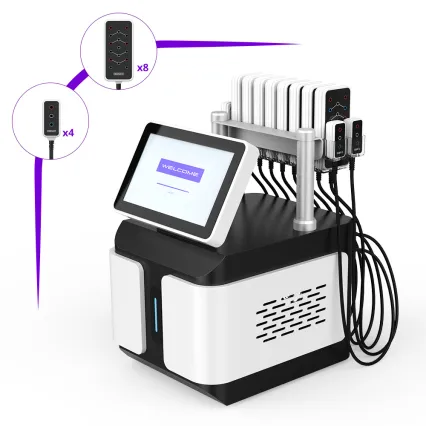
A diode laser machine, maquina laser diodo, fires a concentrated beam, most commonly at 808nm, though many modern units combine 755, 808, and 1064nm wavelengths in a single handpiece, sometimes marketed as triple-wavelength technology.
The light targets melanin, the pigment in the hair shaft and follicle. That pigment absorbs the laser energy and converts it to heat, damaging the follicle’s ability to produce new hair. Repeat this across multiple sessions, timed to catch follicles in their active growth phase, and most people see meaningful, long-lasting reduction.
Here’s the part clinics don’t always explain well: hair grows in cycles, anagen, catagen, telogen. Laser only works on follicles in the anagen phase. That’s why a single session never finishes the job, no matter how powerful the machine.
Why Diode Beats IPL for Most Skin Types
IPL, intense pulsed light, scatters broad-spectrum light. Diode lasers deliver a single, focused wavelength. That difference matters more than most buyers realize.
Clinics serving a client base with a wide range of skin tones lean toward diode almost exclusively now. The 1064nm wavelength in particular penetrates deeper and is absorbed less by surface melanin, which is exactly what makes it safer for darker skin types.
What Permanent Actually Means Here
The FDA classifies laser hair removal outcomes as permanent reduction, not permanent removal. There’s a real distinction. Most clients see 70-90% reduction in hair density after a full course of treatment. Some fine, light hairs can return over years, especially around hormonal changes like pregnancy or menopause.
Is that still worth it? For the overwhelming majority of clients, yes. Going from daily shaving to touch-up sessions twice a year is a genuine quality-of-life change, even if a handful of stray hairs eventually show up again.
Buying Considerations for Clinics
Cooling system
Contact cooling or air cooling built into the handpiece massively reduces client discomfort and lets technicians run higher energy settings safely.
Spot size
Larger spot sizes cover bigger areas faster, useful for legs and backs. Smaller spot sizes give more precision for facial work.
Multi-wavelength capability
A single-wavelength 808nm unit works, but a triple-wavelength machine treats a wider range of skin tones and hair types without needing a second device.
Shot count and duty cycle
Ask how many shots the diode stack is rated for before performance drops. Cheap units can lose energy consistency after a few thousand pulses.
I’ve seen clinics regret buying underpowered units that forced them to book more sessions per client just to hit the same results a stronger machine would deliver in fewer visits. That eats into appointment slots that could go to new clients.
Frequently Asked Questions
Q: Does diode laser hurt?
A: Most clients describe it as a rubber band snap plus warmth. Cooling tips reduce this significantly compared to older laser technologies.
Q: How many sessions are needed?
A: Typically 6 to 8 sessions, spaced 4 to 6 weeks apart, to catch hair in different growth cycles.
Q: Is diode laser safe for dark skin?
A: Yes, particularly with 1064nm wavelength technology, which is specifically designed to be safer for melanin-rich skin.
Q: Can diode lasers treat blonde or gray hair?
A: Not effectively. Since the technology targets melanin, hair with little to no pigment doesn’t absorb enough energy to damage the follicle.
Q: How long do results last?
A: Most clients maintain significant reduction for years, with occasional touch-up sessions needed as some follicles regenerate over time.
Before You Add This to Your Menu
Diode laser hair removal has one of the fastest returns on investment in aesthetic medicine because sessions are quick and repeat bookings are built into the treatment protocol itself. The machine pays for itself faster than almost anything else on a typical body contouring menu, provided you choose a unit with a wavelength combination that actually matches your client demographics.